From Design to Production: How Custom PVC & Silicone Products Are Made in China
Turning a creative idea into a finished PVC or silicone product requires more than simply finding a factory. From initial product design and material selection to mold development, production management, and quality inspection, every stage plays an important role in achieving a successful final product.
For global brands, understanding the manufacturing process can help reduce sourcing risks, improve communication efficiency, and build stronger cooperation with reliable manufacturing partners in China.
At XLVIA, we connect international brands with qualified manufacturing resources in China, supporting the development of customized PVC and silicone products from concept evaluation to production coordination.
⸻
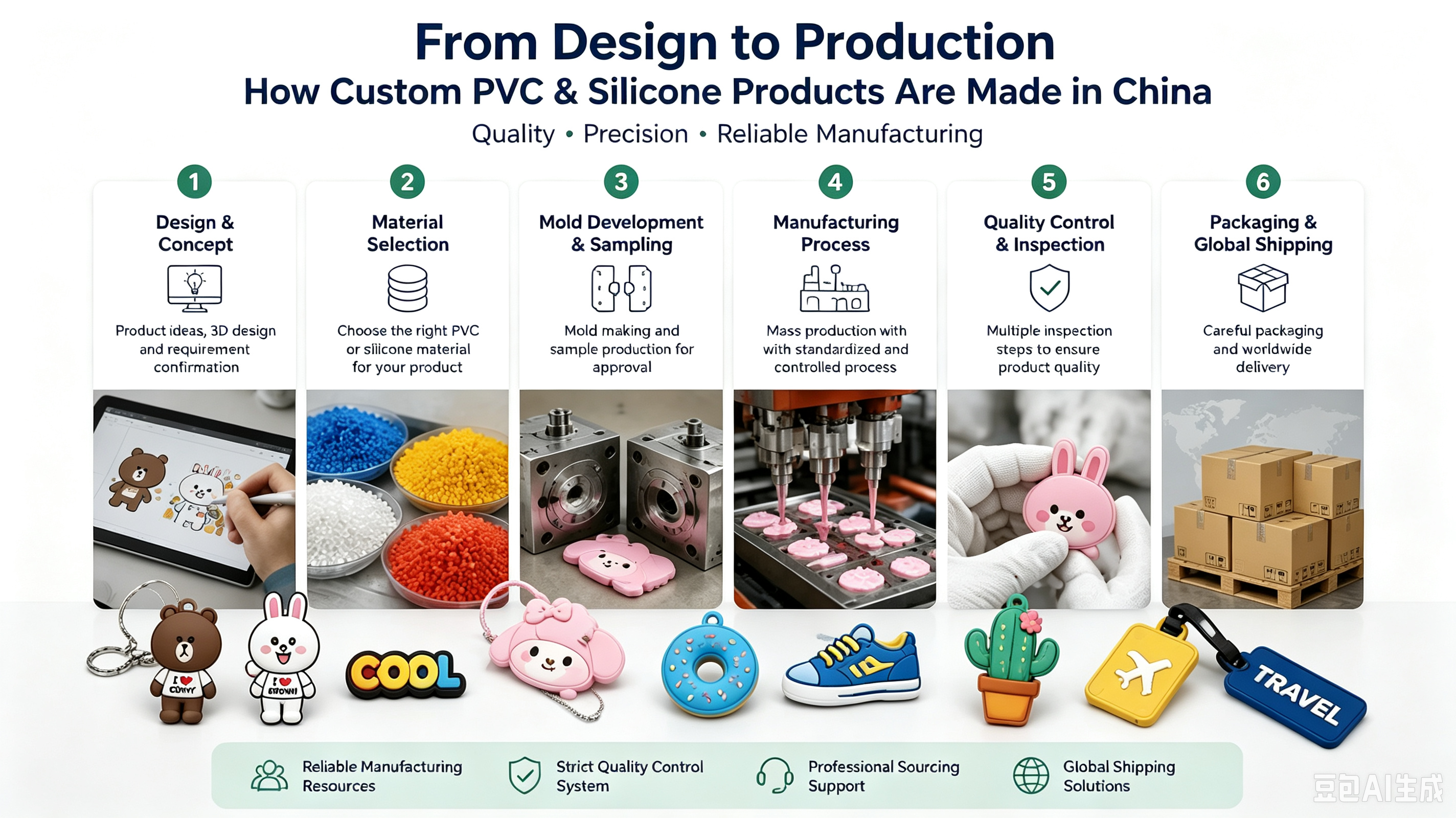
1. Product Concept & Design Confirmation
Every successful product starts with a clear idea. Before manufacturing begins, brands usually provide:
* Product ideas or reference images
* Size and structural requirements
* Material preferences
* Color specifications
* Packaging requirements
* Target market information
Based on these requirements, manufacturers evaluate production feasibility and provide suggestions regarding product structure, material selection, and cost optimization.
For brands without complete design files, XLVIA can support product development through cooperation with professional design resources.
⸻
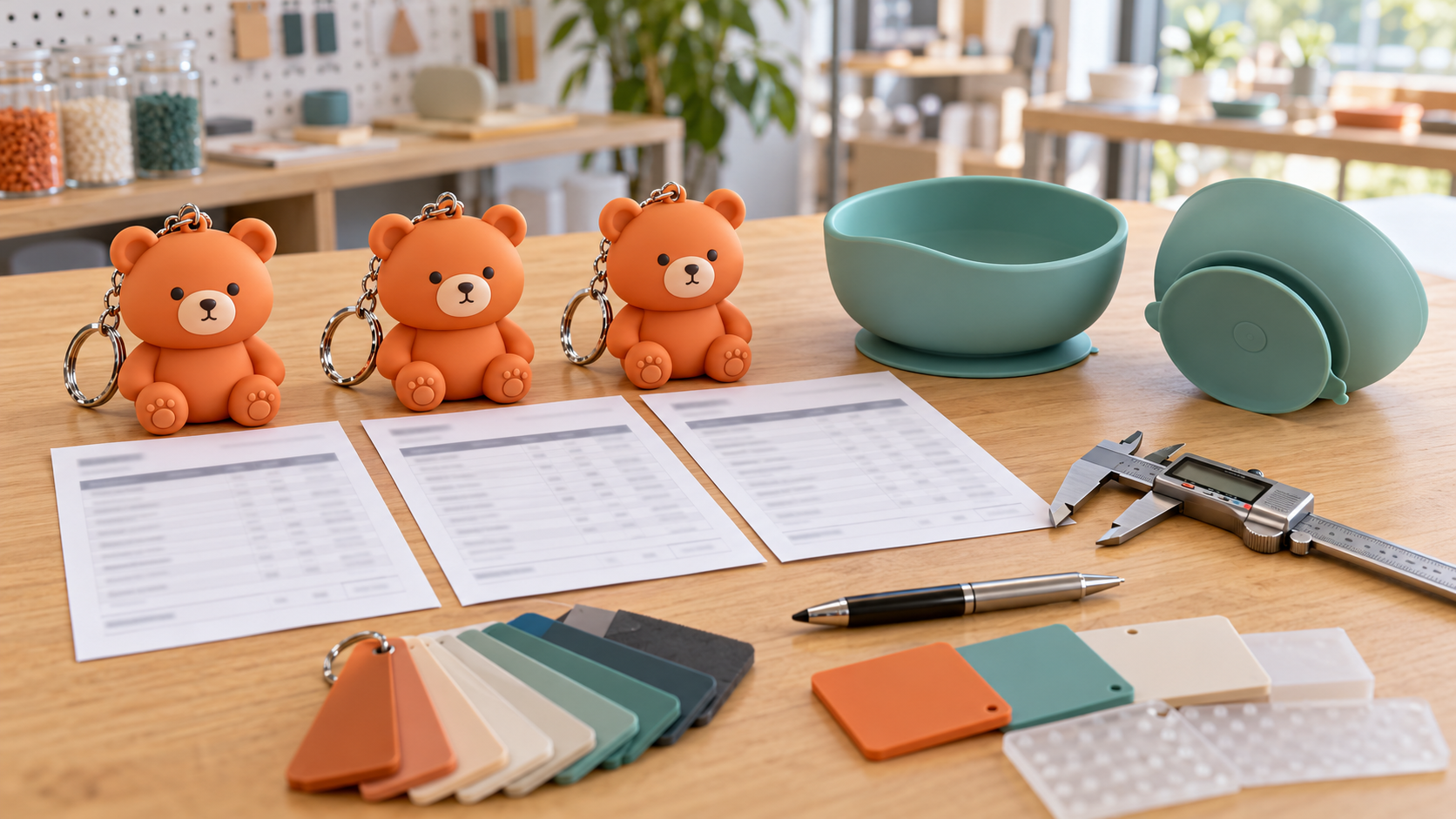
2. Material Selection for PVC & Silicone Products
Selecting the right material directly affects product quality, appearance, durability, and user experience.
PVC Products
PVC is widely used for:
* Custom keychains
* Collectible figures
* Fridge magnets
* Patches
* Luggage tags
* Promotional merchandise
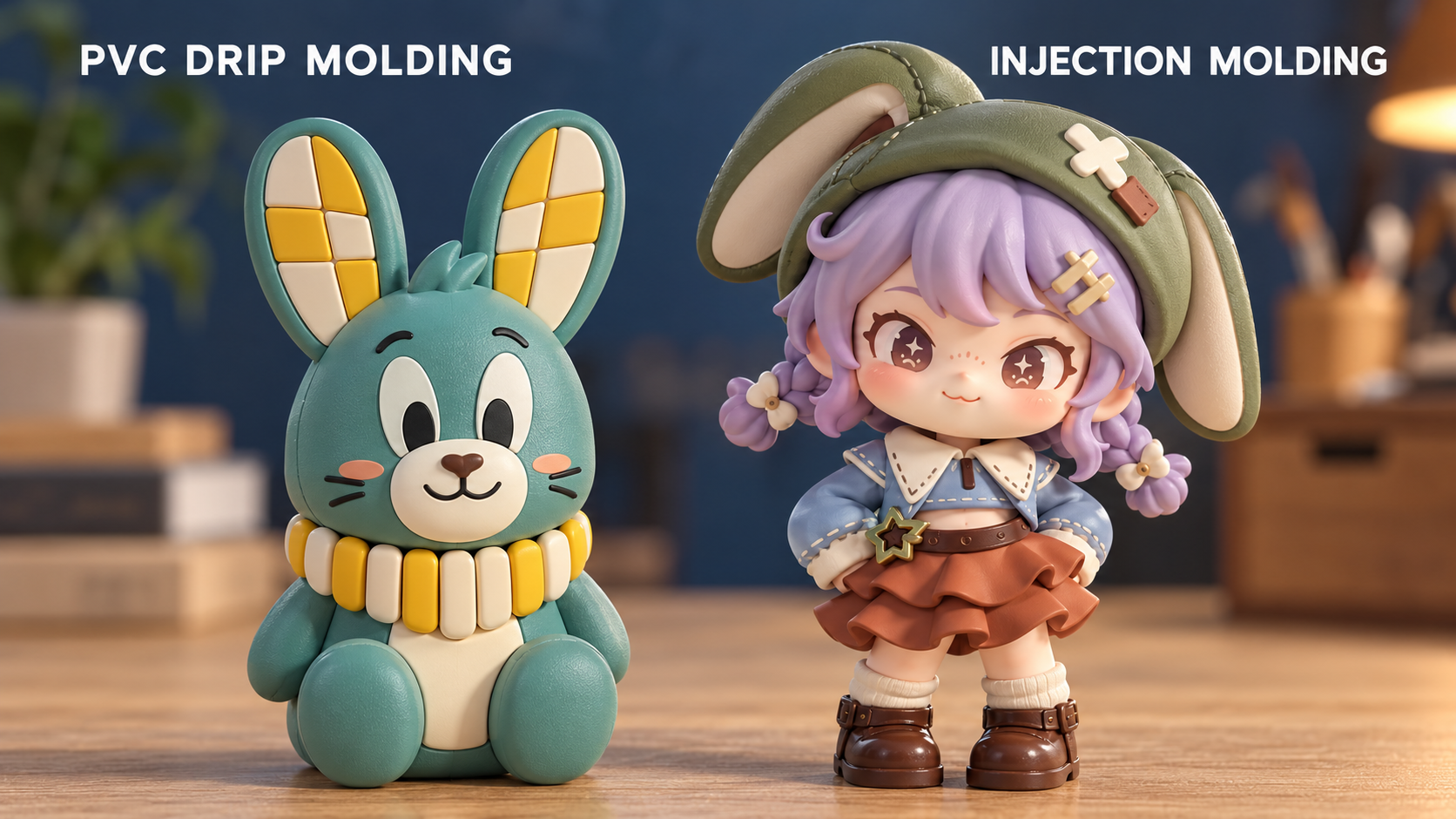
Soft PVC allows flexible shapes, colorful designs, and detailed 3D effects, making it a popular choice for customized merchandise and IP-related products.
Silicone Products
Silicone is commonly selected for:
* Baby products
* Kitchen accessories
* Cup accessories
* Lifestyle products
Food-grade silicone provides excellent safety, flexibility, and durability for products requiring higher material standards.
⸻
3. Mold Development & Sampling
After design confirmation, manufacturers develop molds according to the product structure.
The mold development stage determines:
* Product details
* Surface quality
* Production efficiency
* Final appearance
A prototype sample is produced for evaluation before mass production begins.
During the sampling stage, brands can review:
* Shape accuracy
* Color matching
* Material softness
* Product functions
* Packaging details
Simple products may complete sampling within several business days, while complex designs may require longer development time.
⸻
4. Mass Production Process
After sample approval, the product enters the mass production stage.
PVC Manufacturing Process
1. Material preparation
2. Color mixing
3. Mold filling
4. Heating and forming
5. Painting or printing
6. Assembly
7. Packaging
Silicone Manufacturing Process
1. Silicone material preparation
2. Mold forming
3. Trimming and finishing
4. Quality inspection
5. Packaging
Professional production coordination helps maintain product consistency across different production batches.
⸻
5. Quality Control During Production
Quality control is a critical part of international sourcing projects.
A reliable manufacturing process usually includes multiple inspection stages:
* Incoming material inspection
* Sample approval confirmation
* Production monitoring
* Finished product inspection
* Packaging inspection
For larger projects, brands may arrange third-party inspections before shipment to ensure product requirements are fully met.
⸻
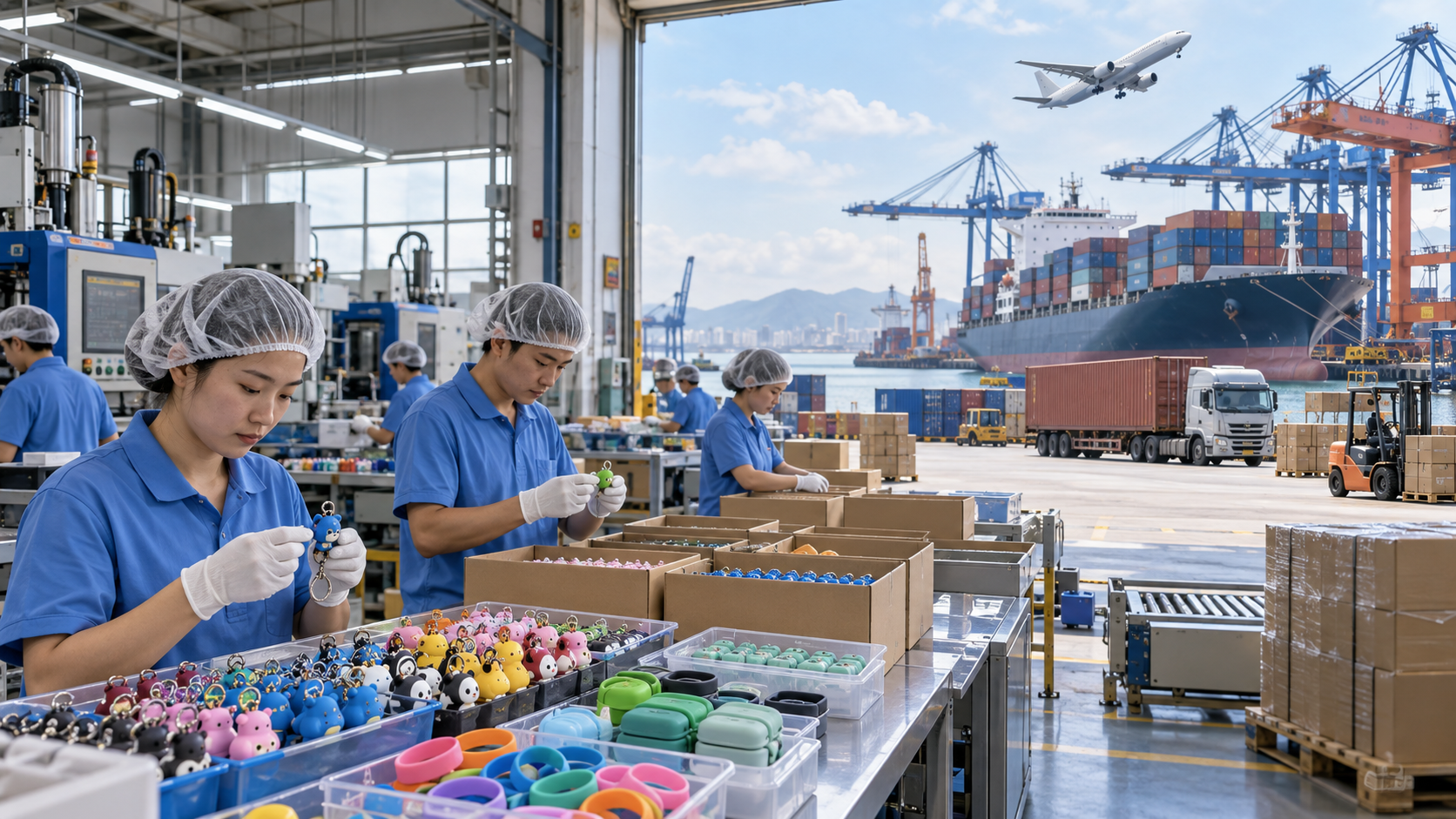
6. Packaging & Global Shipping
The final manufacturing stage is preparing products for global delivery.
Manufacturing partners and sourcing teams help confirm:
* Individual packaging requirements
* Carton specifications
* Shipping documents
* Delivery arrangements
Depending on order quantity and destination, customers may choose:
* Express shipping for samples
* Air freight for medium-volume orders
* Sea freight for large-volume production
⸻
Why Work With a Professional China Manufacturing Partner?
Finding a factory is only one part of successful product sourcing.
A professional sourcing partner can help brands:
* Identify suitable manufacturers
* Communicate technical requirements
* Follow production progress
* Manage quality expectations
* Reduce sourcing risks
XLVIA connects global customers with qualified PVC and silicone manufacturing resources in China, helping brands manage the journey from product ideas to market-ready products.
⸻
Conclusion
Custom PVC and silicone products involve multiple stages, including design development, material selection, mold creation, production management, and quality inspection.
Understanding the manufacturing process allows brands to make better sourcing decisions and build more successful products with Chinese manufacturing partners.
With the right sourcing support, transforming an idea into a market-ready product can become more efficient, transparent, and reliable.