Custom Food Grade Silicone Products: What You Should Know
What Is Food Grade Silicone
Food-grade silicone generally refers to silicone material suitable for food-contact products. It should not be treated as a general marketing term. The raw material, intended use, sales market, contact temperature, and customer requirements all affect the material selection and testing plan.
A reliable food-contact silicone product should address several points:
Whether the raw material is suitable for the intended food-contact use
Whether the finished product has abnormal odor or visible contamination
Whether it meets the applicable requirements of the target market
Whether it is suitable for the expected temperature and use environment
No stage should be overlooked. Formula selection, manufacturing process, mass-production quality control, and finished-product performance all contribute to the final result.
Common Types of Food Grade Silicone Products
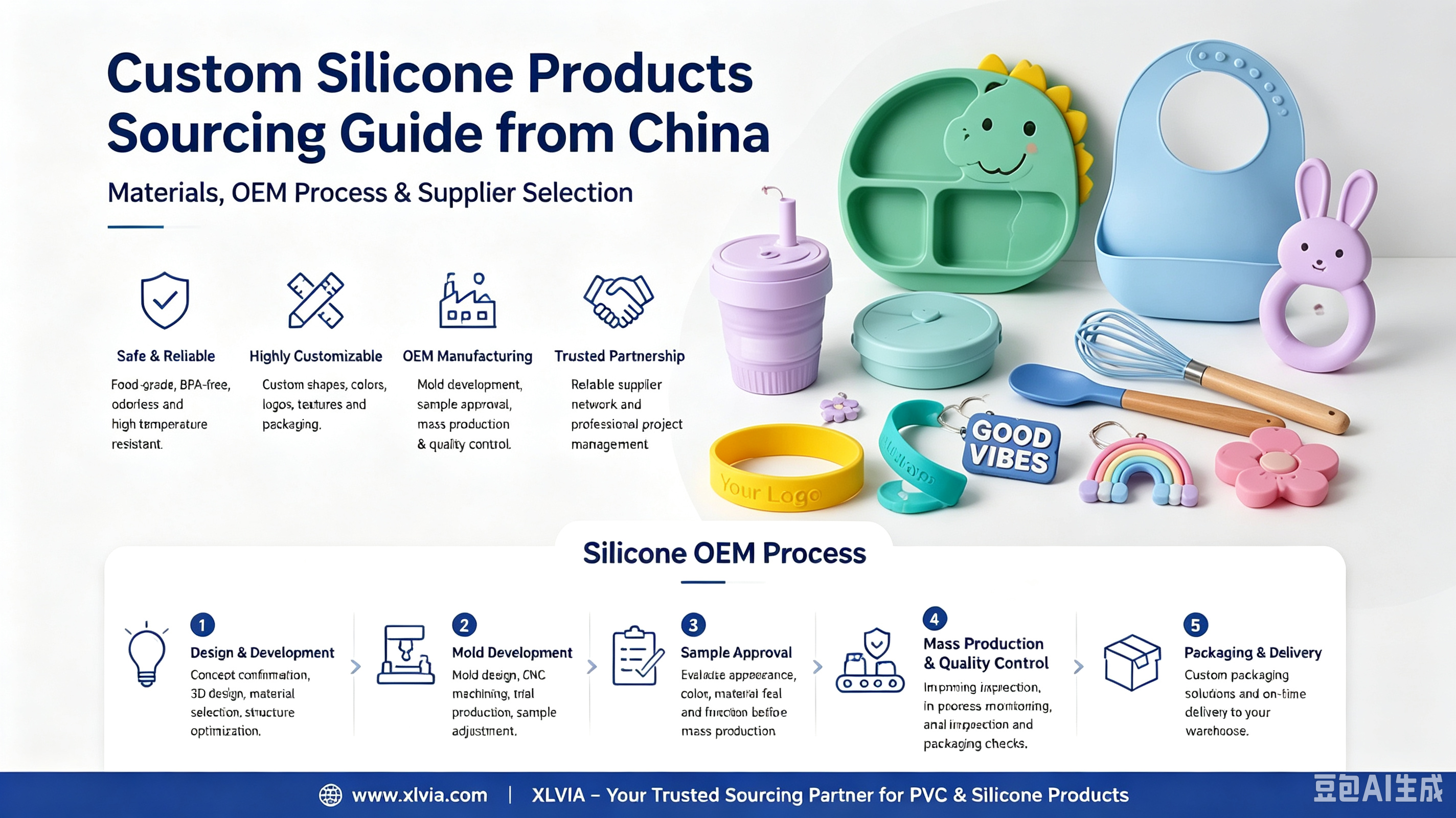
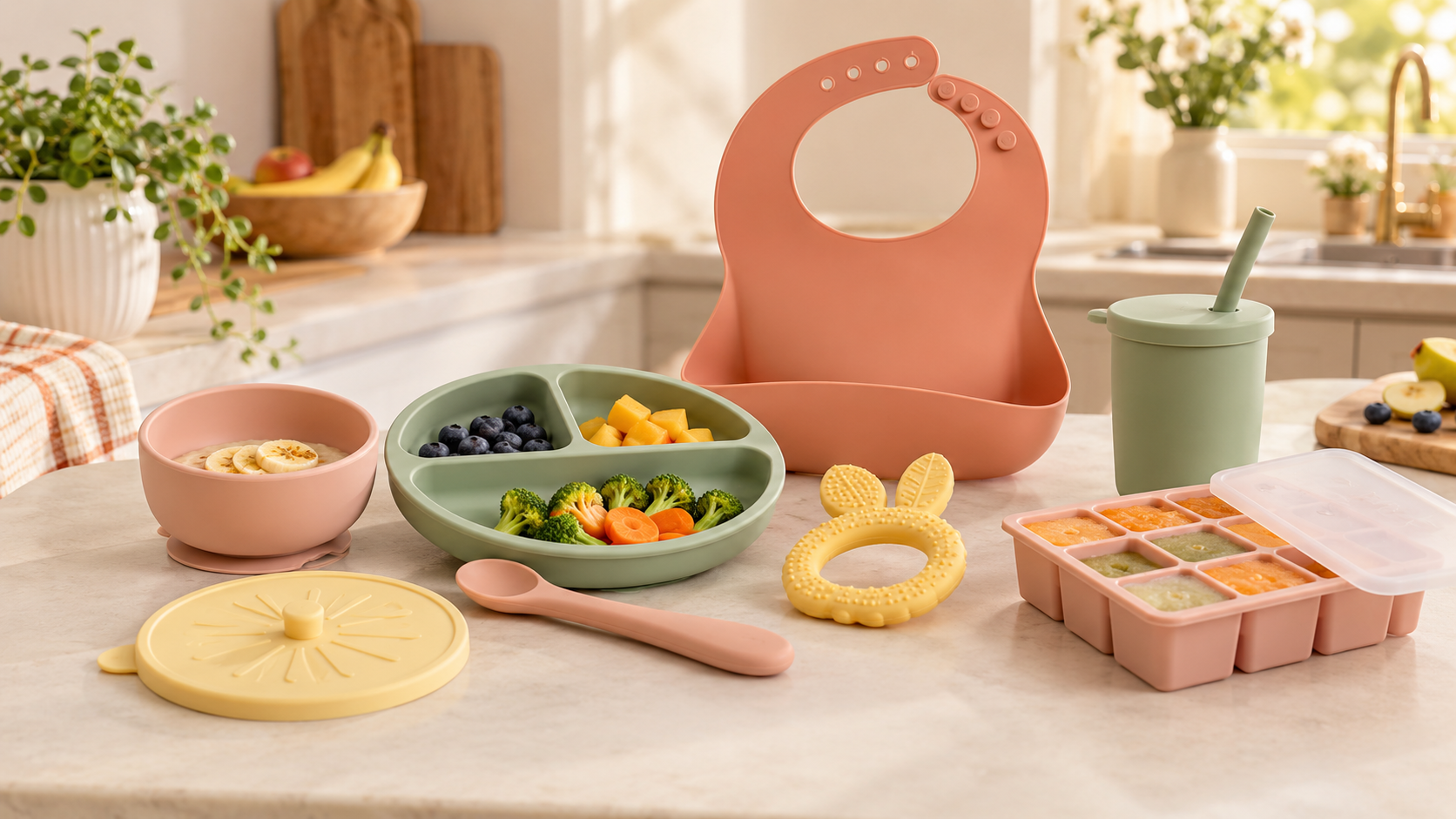
Common products include silicone baby food bowls, children's plates, spoons, bibs, teethers, bottle accessories, food-storage lids, lunch-box lids, and sealing rings. Food-grade silicone is used across many parts of everyday life.
Market Requirements for Food Grade Silicone Products
In the United States, buyers of repeated-use food-contact silicone products often request testing based on FDA 21 CFR 177.2600. If a product is intended for children and classified as a toy, requirements such as ASTM F963 and applicable CPSIA provisions may also apply.
In the European Union, food-contact silicone products are generally evaluated under the safety framework of Regulation (EC) No 1935/2004, together with applicable good manufacturing practice and market-specific testing requirements. If a silicone teether or another product is classified as a toy, buyers may also request testing to applicable parts of the EN 71 series, together with supporting information for CE technical documentation and the EU Declaration of Conformity.
The difference between markets is therefore not simply “U.S. FDA versus EU standards.” Product classification, test conditions, document format, and the responsible economic operator may all differ.
What to Confirm Before Starting a Project
Before development begins, the brand should confirm several basic questions:
Is the product intended for adults or children?
Will it come into direct contact with food or the mouth?
Does it need to withstand high or low temperatures?
In which country or region will it be sold?
Is a third-party test report or retailer-specific standard required?
Are a custom logo and packaging needed?
Is there already a drawing, 3D file, physical sample, or only an initial concept?
Clear information makes it easier to determine the material, structure, mold, testing scope, cost, and lead time. Better preparation at the beginning also reduces repeated revisions after sampling.
XLVIA Project Support
XLVIA can coordinate product and target-market evaluation; material, hardness, color, and production-process selection; and third-party testing based on the buyer's confirmed requirements. Examples include a test report based on FDA 21 CFR 177.2600 or applicable ASTM F963 or EN 71 testing.
Before arranging a test, XLVIA confirms the intended sales market to reduce the risk of a report that does not match the actual project. We can also coordinate mass production, quality inspection, custom packaging, and delivery.
If you are sourcing silicone baby feeding products, teethers, food-contact tableware, kitchen accessories, or other custom silicone products, send XLVIA your product concept, target market, quantity, customization requirements, required reports, and expected delivery schedule.
We will evaluate the manufacturing route and coordinate suitable production, testing, packaging, quality control, and delivery resources for your project.
Email: sales@xlvia.com
Website: www.xlvia.com
WhatsApp: +86 187 8433 1140
This article provides general sourcing information and is not legal or regulatory advice. Standards and testing requirements should be confirmed for the specific product and target market.